
Whoa! This is one of those things I started poking at casually and then suddenly spent a weekend deep in. My first impression was simple: it’s fast and clean. But then I hit a snag with an unpaid transaction and my instinct said somethin’ felt off about the UX. Initially I thought a wallet was just a place to store keys, but actually, wait—it’s the front door to an entire user experience that can make or break your NFT habit.
Really? Yep. I remember the moment clearly. I opened a marketplace and my Phantom popup asked for a signature in under a second. The speed felt like a small miracle compared to older wallets I’d used. On one hand the convenience is delightful; on the other hand I worry about complacency when confirmations are a single click.
Here’s the thing. Wallets aren’t all equal. Some promise simplicity and deliver complexity. Phantom, for me, strikes a balance—mostly. It pairs a minimalist UI with thoughtful features, like token management and staking, that aren’t slapped on as afterthoughts. Though actually, there are trade-offs (privacy, extension security) that deserve a closer look, so hang on—there’s more.
Hmm… the Solana ecosystem itself changes fast. Transactions are cheap and blazing quick, which encourages experimentation. That energy is intoxicating and risky at the same time. My gut said “use caution” after a few impulsive NFT buys that later required refunds (not always possible). Something else bugged me: some demos gloss over extension security, like permissions dialogs that most people accept reflexively.
Okay—practical bit now. If you’re hunting for a Solana wallet to manage NFTs, here’s what matters: security model, ease of use, marketplace integrations, and backup/recovery flows. I’ll walk through those with hands‑on notes from my own experience. I’ll be honest: I’m biased toward wallets that respect UX without sacrificing clear security cues.
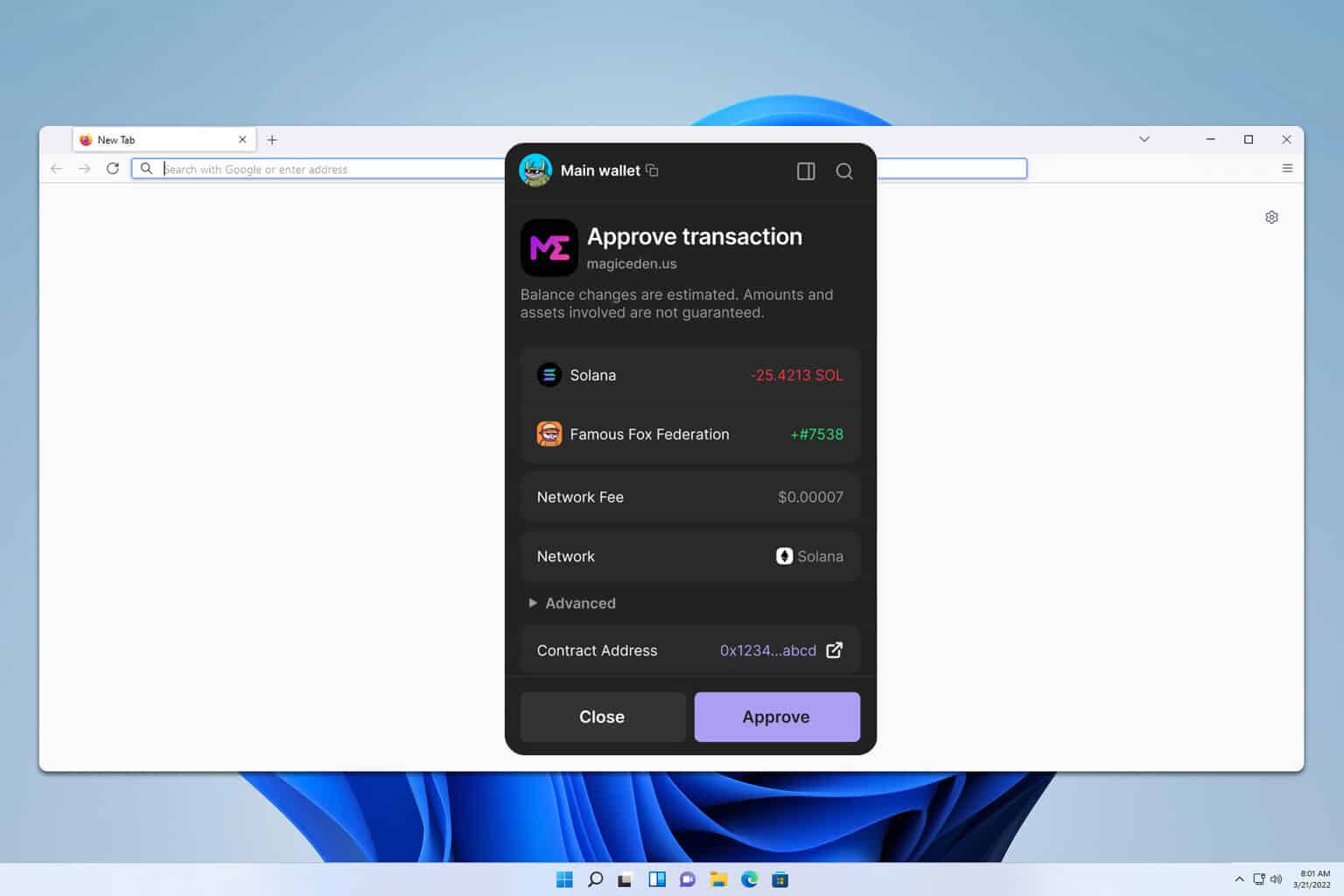
Why a browser extension wallet matters for NFTs
Short answer: immediacy. Seriously? Yes. When you’re flipping NFTs or interacting with dApps, every extra second and click erodes the moment. Phantom gives that near‑instant handshake between site and wallet, which is why it became my default. That said, immediacy demands responsibility—store your seed phrase offline, don’t paste it into chat windows, and watch for phishing sites that mimic marketplaces.
On the topic of phishing: it’s the elephant in the room. My instinct warned me early on after seeing a cloned marketplace that looked oddly familiar. Initially I thought it was just a CSS tweak, but then realized the URL was a subtle character off—classic trick. So, double‑check origins and use bookmarks for the marketplaces you trust.
Phantom’s UI does a decent job of surfacing request details, though sometimes developers use vague descriptions for signatures. On one hand I appreciate the clean look; on the other, a signature labeled “Authorize” without context is unhelpful. If you’re unsure, pause—inspect the request—ask in the project’s Discord. It feels simple, but you’d be surprised how often that second of care saves you from a costly mistake.
There’s also the matter of extensions vs. mobile. Extensions are faster for browser workflows. Mobile wallets offer better on‑the‑go security models (like hardware enclaves). For me, the extension is primary when doing drops and quick trades, and my mobile is for holding and occasional checkups. That hybrid approach works, though it’s not turnkey for everyone.
Hmm—let me be candid: the extension experience can be jarring for new users. Some prompts are technical. Some words assume blockchain literacy. If you help a friend set up Phantom, be ready to explain terms like “request signature” and “program interaction.” It makes the whole system feel less mystical when you decode the jargon out loud.
How Phantom handles NFTs and collections
Phantom auto‑detects many NFTs in your wallet and shows previews. Wow! That’s a nice touch. It saves time, especially when you collect across multiple creators. But it isn’t perfect; some less‑common metadata formats won’t display, and that annoyed me on a couple of experimental mint nights. The team tends to push updates, though, and community feedback seems to move the needle fast.
One practical workflow I like: keep a small “trading” wallet for active flips and a cold wallet for long‑term holds. Initially I thought consolidating everything into one was simpler, but then I lost an expensive mint to a timing mistake (ugh). Splitting roles keeps the risk surface smaller and makes mental accounting easier—yes, it’s a little extra overhead, but worth it.
Also—transaction batching and fee controls. Solana fees are low, but they’re not zero. For high‑volume operations (airdrops, airdrop claims, frequent trades) the wallet’s clarity on fees helps avoid surprises. Phantom generally shows Solana (SOL) fees clearly, though some dApp interactions bundle many program calls into one opaque signature—again, inspect before you confirm.
Something else: extensions let you connect to multiple dApps simultaneously, which is powerful but can be dangerous if you treat permissions like a casual click. My very unscientific rule: if a dApp asks for access to spend tokens automatically, I pause and smell the coffee. Very very important—limit spending approvals.
Downloading Phantom safely (quick guide)
Okay, so you want the extension. I recommend getting it from an official source to avoid clones. Seriously. The safest route is the project’s official channels or verified stores. If you prefer a direct, simple link to start from, check out this resource for the extension: phantom. Remember: when installing, watch the permissions, and never enter your seed phrase into a website—only into the wallet’s secure import flow.
On the topic of backups—write your seed phrase on paper and stash it. Don’t screenshot it. Don’t upload it to cloud storage. I’m not scaremongering; I’m speaking from small losses friends have had when they kept backups in their email. Hardware wallets are a great next step once your holdings grow beyond what you want in a hot wallet.
I also suggest pinning the extension to your browser bar (keeps access quick) and enabling any recommended privacy settings. If you operate on multiple chains, check for network selectors and be explicit about which network you’re on. The last thing you need is a cross‑chain mishap that costs time and gas to untangle.
Common questions about Phantom and NFTs
Is Phantom safe for holding valuable NFTs?
Mostly. For everyday use it’s solid: reputable team, frequent updates, and clear UX. That said, no hot wallet is perfectly safe—use cold storage for big holdings and split your risk. I’m not 100% sure on every integration third parties create, so vet each dApp before approving signatures.
Can I use Phantom on mobile and desktop?
Yes. Phantom offers both an extension and a mobile app, though workflows differ. Extensions are better for browser‑first interactions; mobile is handy for quick checks and on‑the‑go actions. Many collectors run both for flexibility (and because sometimes a site only triggers correctly from one environment).